
BIOFOLD DOOR REPAIRING, Call or Text on: 07342914987
Local Business
No Call Out Fee
(See us on facebook)

CAN’T LIFT HANDLE UP

Understanding the issue

Understanding the issue of being unable to lift a handle up goes beyond mere inconvenience. It signifies a disruption in our daily routines and an unexpected hurdle to overcome. This seemingly simple problem can lead to frustration, hindering our ability to carry out essential tasks efficiently and with ease. What may appear as a minor inconvenience at first glance holds the potential to significantly impact our productivity and well-being.
Furthermore, the inability to lift a handle up can serve as a metaphor for the barriers we encounter in life. Much like this physical limitation, other obstacles may prevent us from reaching our full potential. Understanding this issue allows us to recognize the broader implications it has on our lives, prompting us to seek solutions and cultivate resilience in facing both physical and metaphorical challenges head-on.

In essence, grasping the depth of this issue compels us not only to find practical solutions but also encourages deeper reflection on how we approach hurdles that impede our progress. By understanding the multifaceted nature of this problem, we gain insight into harnessing adaptability, patience, and ingenuity when confronted with adversity – qualities that empower us in navigating through life’s complexities.
Common causes of handle resistance
Handle resistance can stem from various factors, including mechanical issues and environmental conditions. One common cause is the accumulation of dirt and debris within the handle mechanism, leading to obstruction and difficulty in lifting the handle up. Additionally, worn-out or damaged components such as springs and hinges can also contribute to handle resistance. Environmental factors such as extreme temperatures or moisture exposure may impact the lubrication of moving parts, leading to friction that prevents smooth handle operation.

Another less obvious cause of handle resistance could be improper installation or misalignment of the door or window frame. This misalignment can put unnecessary pressure on the handle mechanism, making it difficult to lift up. Understanding these diverse causes of handle resistance can help homeowners take proactive measures to maintain their handles and address potential issues before they escalate into more significant problems.
Diagnosing the problem
When a person finds themselves unable to lift the handle up, they may be facing an underlying issue with the mechanical components of the object. Failure to lift a handle can be indicative of several potential problems, such as damaged internal parts or a jammed mechanism. It is important to conduct a thorough inspection before attempting any repairs, as misdiagnosing the problem could lead to further damage.
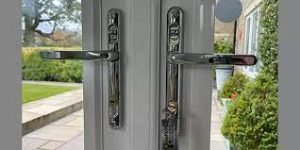
One possibility is that there may be an obstruction within the mechanism preventing smooth operation. Alternatively, wear and tear over time can also cause components to degrade, leading to difficulties in lifting the handle. In some cases, excessive force applied while trying to lift the handle may exacerbate the issue rather than solve it. Understanding these potential causes can aid in accurately diagnosing and resolving the problem at hand.
Tools needed for fixing
When it comes to fixing a can’t lift handle up issue, having the right tools is essential for a successful repair. One of the most important tools is a screwdriver set with various head types to remove any screws holding the mechanism in place. A pair of needle-nose pliers can be handy for adjusting or repositioning any small components that may be causing the handle to jam. Additionally, a lubricant such as WD-40 can be useful for loosening stiff or sticky parts within the mechanism.

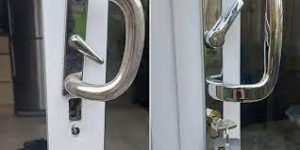
While these tools are crucial for addressing the immediate problem of not being able to lift the handle up, it’s also beneficial to have a flashlight on hand for proper visibility into the internal workings of the handle assembly. This allows for a thorough inspection and ensures that no small parts or obstructions are overlooked during the repair process. Furthermore, having a replacement part ready, such as a new spring or latch mechanism, can save time and frustration if it becomes apparent that these components are damaged beyond repair.
In summary, when tackling an issue where you can’t lift the handle up, equipping yourself with necessary tools like screwdrivers, pliers, lubricant, flashlight and potentially replacement parts will facilitate a smooth and successful fix. These tools not only provide assistance in addressing the immediate problem but also contribute to an efficient and thorough repair process overall.https://www.kra.org.au/links/